Sand driving tips are a must-understand before deciding to explore sandy paths. Sandy terrain does have its own appeal for adventure lovers, especially for those who want to experience a different sensation from traveling on asphalt paths. However, behind the beauty of the desert or the stretching beach, there are challenges that should not be underestimated.
Being behind the wheel while crossing a stretch of sand can provide a sense of freedom and alertness. The heart beats faster when the wheels start to slip, and that’s when knowledge of the right technique becomes a savior. To keep the trip safe, comfortable, and of course enjoyable, the following tips can be applied before and during driving on sandy terrain.
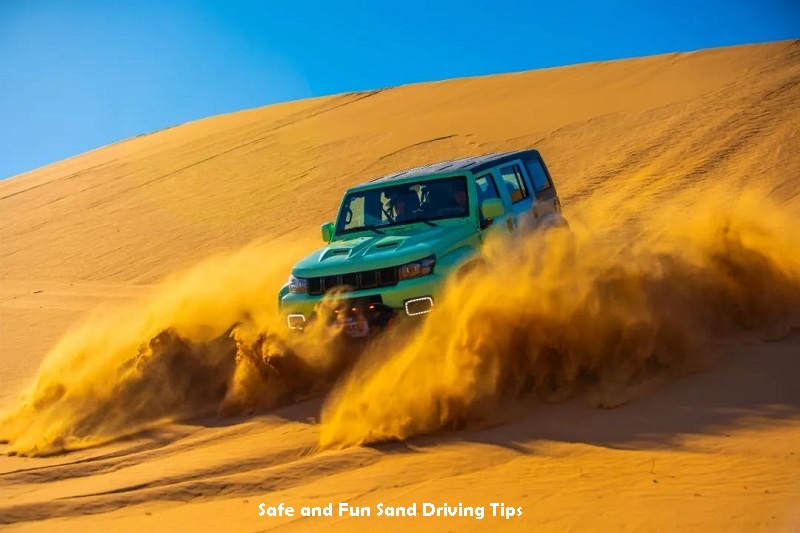
Sand Driving Tips: Safe Ways to Face Sandy Terrains
Sand driving tips are not just about speed or vehicle power, but more about technique and mental readiness. Many drivers are overconfident, even though sandy terrain can change at any time and pose unexpected risks. Here are some tips to consider:
1. Lower Tire Pressure Before Starting
Reducing tire pressure is the first step before crossing a sandy path. Lower tire pressure helps expand the tire surface area in contact with the sand, so that the vehicle does not sink easily. It is recommended to reduce tire pressure to 20-25 psi, depending on the condition of the sand and the weight of the vehicle.
Many people forget to do this because they are too focused on other equipment. In fact, this one small thing can prevent you from getting stuck in the middle of a hot and tiring desert.
2. Choose a Solid Sand Track
When driving on sandy terrain, it is important to choose a track that looks denser. Solid sand has better grip and minimizes the risk of vehicle slipping. Avoid areas of sand that look too smooth, especially near the beach or dune slopes.
Reporting from the Instagram video @grasstrackmyway_, driving a car on a stretch of solid sand on a remote beach in the afternoon really presents an unforgettable experience. When the wheels start to touch the hard sand track, the car moves smoothly without any obstacles. The sound of the engine sounds stable, combined with the calming sea breeze. The vibrations in the cabin are almost imperceptible, making the atmosphere inside the vehicle so comfortable. The view of the sunset slowly descending on the western horizon seems to complete the moment. The feeling of anxiety when passing through the fine sand area before immediately changed to relief and happiness. The light sensation of floating on the sand, coupled with the slow rhythmic sound of the engine, makes the journey feel more relaxed and peaceful. Moments like this are often difficult to find on ordinary asphalt roads.
3. Use Low Gear and Maintain a Stable Speed
Using low gear when crossing sandy roads gives the vehicle greater thrust. In addition, maintaining a stable speed without stepping on the brakes or gas too often can help the wheels keep biting the sand surface.
Keep in mind, speeds that are too high actually increase the risk of wheel slippage. Conversely, if it is too slow, the car has the potential to lose momentum and get stuck. Find the ideal speed in the range of 20-40 km/h for open terrain.
4. Avoid Sharp Maneuvers
Sharp maneuvers are the main taboo when driving on sandy terrain. Wheels that rotate too extreme to one side can cause the car to get stuck or roll over, especially in steep dune areas.
Drive the vehicle with slow turns and a stable steering position. When you have to turn around, do it gradually without stopping the vehicle for too long at one point.
5. Bring Additional Safety Equipment
The next sand driving tip is to always bring additional safety equipment. Some important equipment such as a small shovel, tow rope, wooden plank, and portable compressor must be available in the vehicle.
In certain conditions, this equipment can be a lifesaver when the vehicle gets stuck. There is nothing more relieving than successfully getting out of the sand thanks to the readiness of the equipment brought.
6. Don’t Be Alone When Driving on Sandy Terrains
It is better to avoid exploring sandy terrain alone. Always drive in a group or at least accompanied by one other vehicle. In addition to safety reasons, driving with friends will add to the fun experience.
There is a sense of security when you know that the closest person is ready to help if something happens. Moments of laughing together when the car is stuck, or simply sharing drinking water under the hot sun are unforgettable memories.
Sand driving tips are an important guide to ensure that your trip on sandy terrain is safe, comfortable, and memorable. Starting from lowering tire pressure, choosing a busy route, using low gear, to bringing additional equipment must be applied every time you plan an adventure to the desert or sandy beach.
Behind the challenges of sandy terrain, there is an extraordinary satisfaction when you succeed in conquering it. The sensation of hot wind, flying sand, and laughter with friends are the reasons why an adventure like this is worth trying. Don’t forget to always apply sand driving tips so that your driving experience remains safe and enjoyable. /tari