Off-road driving basics aren’t about speed, but about the skill of controlling a car on various challenging terrains. Therefore, off-road driving basics are essential, especially for beginners.
Off-roading carries many risks, such as getting stuck in difficult terrain. It’s best to bring a spotter or guide from outside the vehicle. A spotter will be very helpful when the driver encounters blind spots.
Off-Road Driving Basics for Beginners
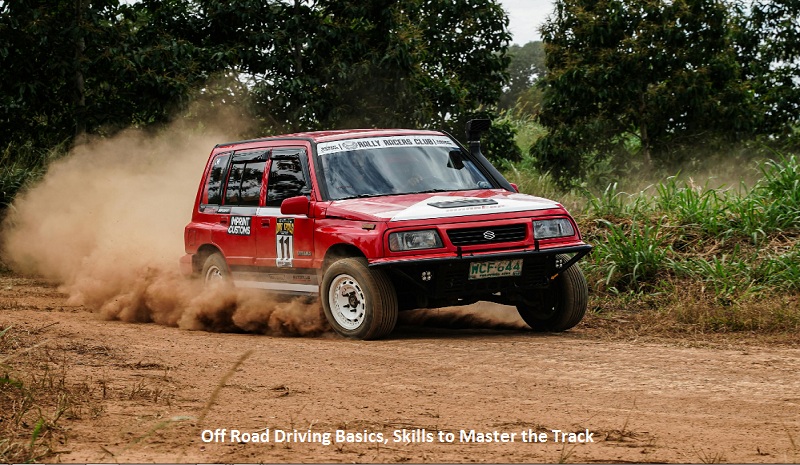
Off-roading is the activity of driving a car in areas other than paved roads. Road conditions vary widely, from muddy, rocky, gravelly, sandy, and even snowy.
This is what makes off-roading different from everyday driving, even on damaged or uneven roads. Special skills and techniques are required to make off-roading more exciting, comfortable, and safe.
Here are some off-road driving basics that are essential for both beginners and professionals.
1. Understanding Important Angles in Off-Roading
There are at least three important angles in off-roading. The first is the approach angle. Understand how steep the incline the car can handle to avoid a front-end collision.
Second is the breakover angle. Pay attention to the center of the car to see if it can reach the top of the hill without getting stuck.
The third important angle is the departure angle. Understand how steep the descent the car can handle to ensure the rear of the vehicle doesn’t touch the ground.
2. Pay Attention to Seating Position
While in the cabin, you should also pay attention to basic off-road driving. Seating position plays a crucial role in maintaining visibility and control when driving off-road.
To ensure a clear view of the front of the vehicle, sit up straight. Your body should be close to the steering wheel for maximum control.
Pinshaoshao.top, citing the TrailCraft YouTube video, recommends using the 9 o’clock and 3 o’clock hand positions on the steering wheel for stable control. This position is considered safer when the wheels experience jolts when driving over rocky terrain. Avoid inserting your thumbs into the steering wheel to prevent the risk of injury if the steering wheel turns suddenly.
3. Master Balance and Control While Driving
To master and control the vehicle, there are driving techniques you can learn. First, stabilize your right foot on the cabin floor and lean it against the center wall of the vehicle. Second, use your left foot to brake to maintain a stable speed when navigating rough terrain.
4. Learn to Conquer Uphills and Downhills
Off-road driving basics are crucial when drivers learn to conquer uphills and downhills. When navigating uphills and downhills, the techniques used are very different.
When navigating uphill roads, try at a low speed first. If you fail, back off slowly and try again with greater momentum in a higher gear.
When descending, use a low gear and utilize engine braking. Avoid sudden braking.
If the car skids, don’t panic. Don’t hesitate to increase speed if necessary. This allows the wheels to regain grip on the road surface.
5. Learn to Handle Side Tilt
When driving off-road, drivers will encounter various types of road terrain. A single route can include uphills, slippery downhills, and even potholes.
For some drivers, navigating sloping inclines can be intimidating. However, controlling the vehicle will be easier once you know the technique.
Make sure your body is perpendicular to the seat. This allows the rider’s balance system to accurately perceive the angle of the tilt.
Use low speeds and maintain smooth control of the accelerator, brakes, and steering. If the top wheel feels like it’s floating, turn down slightly to maintain vehicle stability.
6. Protecting the Environment While Off-Road Driving
Off-road driving basics aren’t just about mastering vehicle control, but also about protecting the environment while off-roading. Although off-roading takes place in the open, this doesn’t mean damaging it unnecessarily.
When driving off-road, avoid damaging surrounding vegetation, plants, or trees. Ensure your vehicle only follows designated paths; don’t create arbitrary trails. Try to minimize your vehicle’s footprint.
7. Consistent Practice
Mastering off-road driving skills requires consistent practice. Equally important is avoiding bad habits.
Don’t drive with only one hand. Keep your foot steady on the pedal. While driving, focus on the road ahead.
Furthermore, build muscle memory to always be prepared for various emergencies. If you encounter danger, you can react appropriately and quickly.
When practicing off-road driving basics, you must understand the limits of your abilities and those of your vehicle. Do not push yourself while practicing to avoid injury and damage to the vehicle. /endah