Driving on off-road terrain is indeed quite challenging. Especially if you have to face steep roads such as in the hills. Therefore, it is very important to understand the guide to navigating steep slopes carefully. The reason is, if you misunderstand the conditions or do not apply the right technique, there is a high risk of losing control, slipping, or even rolling over.
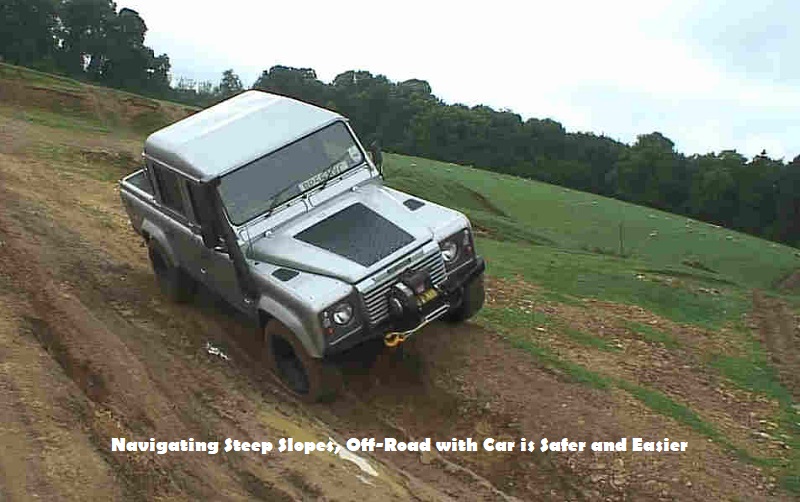
Steep Slopes Navigating Guide That Must Be Considered
As previously stated, facing steep inclines and declines on off-road tracks requires thorough preparation. Not only about technique, but also mastery of the vehicle used. Here are some steps that can be applied so that off-road travel on steep terrain remains safe and smooth.
1. Prepare the Vehicle
First, before starting an off-road trip, make sure the vehicle is in prime condition. Check important components such as brakes, tires and steering systems. Try to ensure that the tires installed have a tread that is suitable for off-road terrain. For example, all-terrain or mud-terrain tires that can provide better traction on slippery or rocky ground surfaces.
In addition, adjust the air pressure in the tires. For steep terrain, slightly lower tire pressure can help improve traction. However, do not lower the pressure too low because it can damage the tire when hitting rocks or sharp objects.
2. Put in Low Gear
The next step in navigating steep slopes is to put in low gear. Especially if you are using a manual car. In the explanation on YouTube 4X4 Australia, low gear provides greater torque.
So that the vehicle can face steep slopes with sufficient power. In a manual car, use 1st or 2nd gear when climbing. It can also depend on the level of steepness and traction available. If using a car with an automatic transmission, activate manual mode or use “L” (Low) mode to adjust the torque.
In addition, low gear also helps when going down steep roads. This technique is popular as engine braking. A trick to use engine power to reduce speed without stepping on the brakes too often. Thus, we can avoid overheating the brakes which can be fatal.
3. Maintain a Stable Speed
Speed is key when facing steep roads. Don’t be too fast because it can make us lose control easily. On the other hand, don’t be too slow when climbing. This can cause the vehicle to lose momentum or stop in the middle of the road.
So, when facing an incline, use stable acceleration to maintain performance. Avoid stopping in the middle of an incline if it is not really necessary. Because restarting the journey from a stationary position on an incline is very difficult. There is even a risk that the vehicle will slide backwards.
4. Pay Close Attention to the Route
Always make sure to focus on paying attention to the route. Recognize the condition of the terrain such as large rocks, tree roots, mud or other slippery surfaces. If necessary, get out of the vehicle and check the terrain directly before crossing it.
Choose a route that provides the best traction and avoid steep incline angles if possible. If there is a puddle of water, be sure to measure its depth first before crossing. Especially puddles of tire marks that can trigger slipping.
5. Use Vehicle Features to the Maximum
If your vehicle has a 4WD (Four-Wheel Drive) feature, activate it when facing steep terrain. This system will help distribute power to all wheels. Thus increasing traction as well as vehicle stability.
In some modern cars, there are also features such as Hill Descent Control (HDC). This is very effective in helping to control vehicle speed automatically. Especially when going down steep roads. Make sure you understand how to activate the feature before starting your trip. Prepare emergency equipment such as a tow rope, jack, shovel and communication device to support safety and security.
Facing steep terrain while off-road requires a combination of vehicle preparation, understanding of driving techniques, and a calm attitude from the driver. With practice and experience, the ability to navigating steep slopes will be increasingly honed. Most importantly, always prioritize safety and avoid taking unnecessary risks.